Biological Specimen for Diagnosis of TB
- Read more about Biological Specimen for Diagnosis of TB
- Log in to post comments
Describe various Biological specimen that may be used to diagnose TB


Describe various Biological specimen that may be used to diagnose TB
|
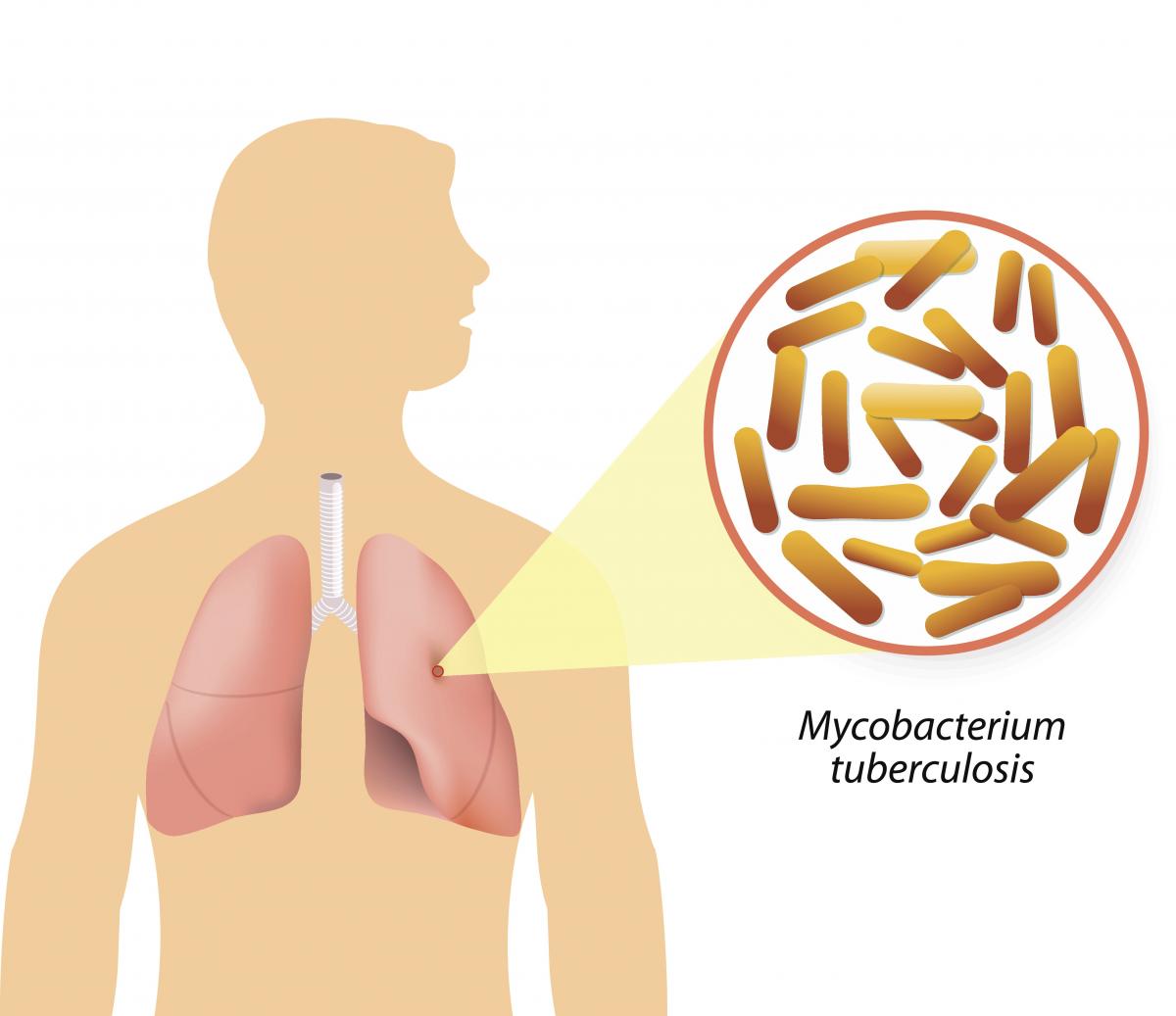
Figure: Causative agent for Tuberculosis is Bacillus: Mycobacterium tuberculosis (M.tb)
|
|
Describe the contextual scenario when the M.TB was detected by Robert Koch.
The National TB Elimination program is embedded under the National Health Mission.
It is led at the central government level by the Central TB Division, Ministry of health and Family Welfare.
At the state level the State TB Cell manages the TB program, while at the District level it is managed by the District TB Centre.
Below the district level, service delivery points are organized under the Tuberculosis Units, operating at a administrative Block level.
describes about various stages in TB patients lifecycle. it includes screening, testing, diagnosis, treatment initiation, adherence monitoring and follow-up, treatment completion and long-term follow-up
Mycobacterium TB are rod shaped, Acid Fast Bacteria causing Tuberculosis.
Once a person is infected, the further course of the disease progression depends on host factors, and in majority of cases may remain dormant. Disease breakdown happens when there is a reduction in host immunity.
Without treatment the TB patient's clinical condition may deteriorate and eventually leading to death.
Epidemiology of TB is described using time, place and person variation of
Discuss the epidemiological triad in relation to TB.
TB is an ancient disease and documented as existing as early as in 4BC. It is also known as 'white plague'. Causative organism was first identified by Robert Koch and hence known as Koch's disease. Before discovery of anti TB drugs, the treatment was generally conservative. First anti TB drug discovered was streptomycin in 1952.