Base Technical Content in text and simple images.

MGIT 960 Instrument: Operation

The MGIT 960 is a sensitive instrument to be operated by trained and competent staff. To carry out the liquid culture using this instrument, following steps need to be performed.
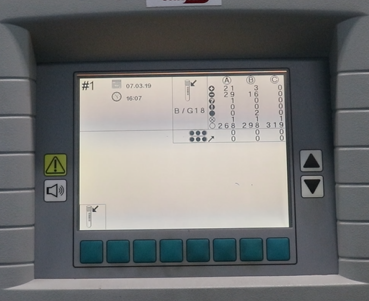
 

Table: Operation of the MGIT 960 Instrument

Step 1


To load the tubes, open the desired drawer. 


Once the drawer is open, select the desired workflow on the LCD display, in this case, Tube Entry.

Monitoring of Treatment by Smear and Culture

Smear microscopy and culture play an important role in monitoring the response to TB treatment. In NTEP, smear microscopy and culture has been prescribed to monitor the treatment response and at specific time points based on different treatment regimens. The programme also explains the actions that need to be taken based on the follow-up results.


Monitoring of tuberculosis treatment is shown in the table below.

Table: Monitoring of TB treatment by smear and culture

TYPE OF TREATMENT

Low-risk TB Laboratories

Depending on the procedural risk in the TB lab, the lab is classified into low, moderate and high-risk categories.


Low-risk TB laboratories work on sputum specimens for:

  1. Direct Acid-fast Bacilli (AFB) smear microscopy
  2. Cartridge-based Nucleic Acid Amplification Test (CBNAAT)/ Truenat

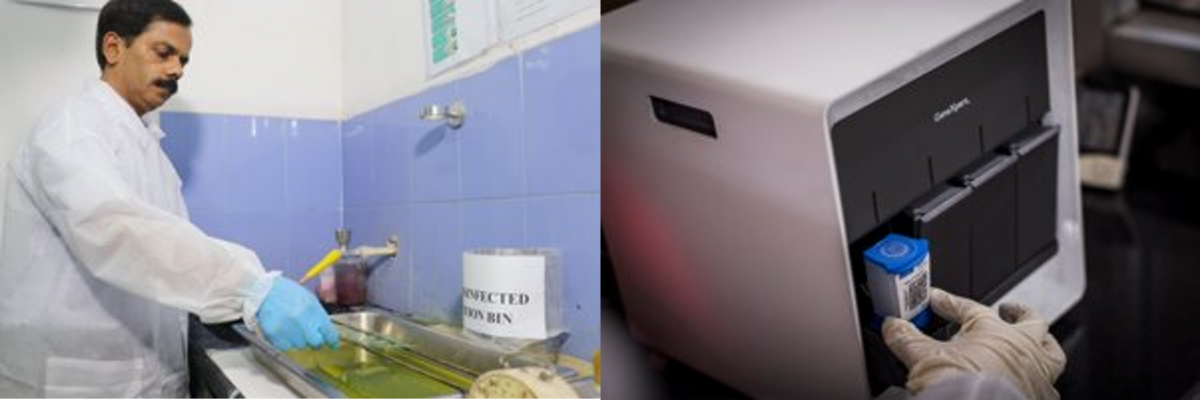
Figure 1: Procedures Conducted in a Low-Risk TB Lab


Ventilation in TB Laboratories as a Biosafety Measure

Ventilation is an essential biosafety design feature in a TB lab.


Laboratory ventilation has three basic elements: 

1. Ventilation rate  

Amount of outdoor air that flows into the laboratory.

2. Airflow direction 

Overall direction of air flowing through the laboratory should be from functionally clean areas to dirty areas.

3. Airflow pattern 

Subscribe to A0