Standards of TB Care in India
- Read more about Standards of TB Care in India
- Log in to post comments
The Standards for TB Care in India (STCI), which is a locally customized version of the International Standards of Tuberculosis Care,


Base Technical Content in text and simple images.
The Standards for TB Care in India (STCI), which is a locally customized version of the International Standards of Tuberculosis Care,
TB is a notifiable disease in India, and TB notification has been made mandatory at the point of diagnosis since May 2012. This means that when a case of TB is diagnosed and/or put on treatment it is to be reported to the NTEP.
Drug resistance in Mycobacterium tuberculosis occurs when there is acquisition of mutations in genes that code for anti-TB drug targets or drug-activating enzymes.
Drug resistance in Tuberculosis (TB) occurs through two main mechanisms shown in the figure below.
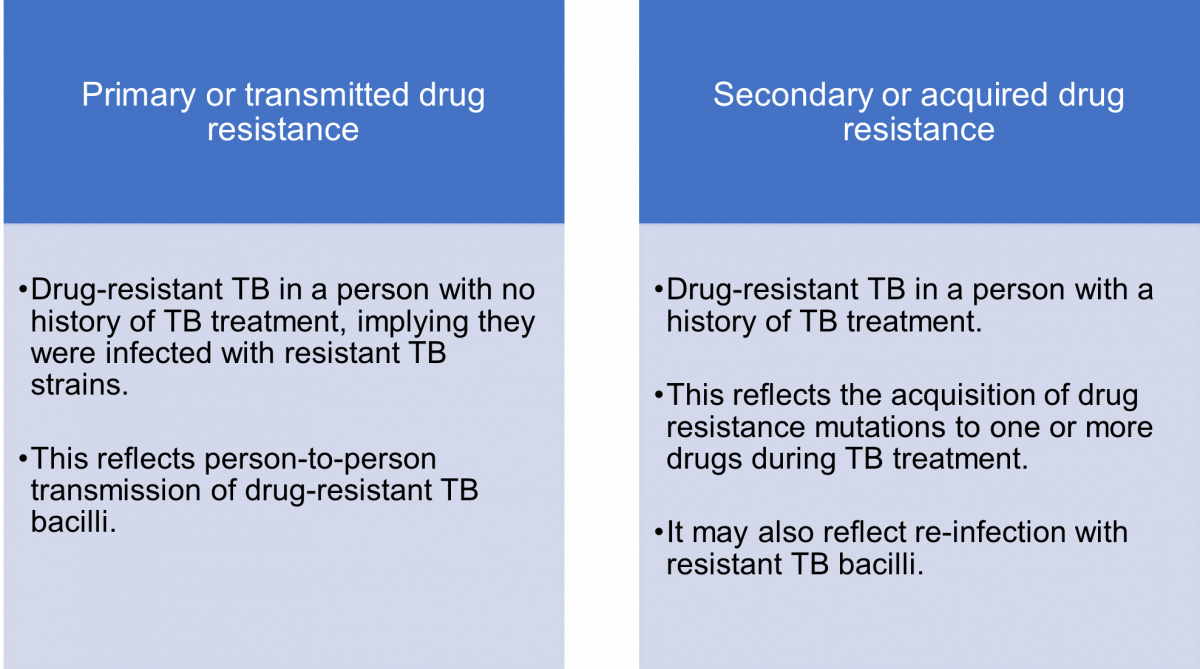
Figure: Mechanisms or Types of Drug Resistance in TB
The mechanism of transmission of drug-resistant (DR) and drug-sensitive (DS) TB is the same i.e., via infectious aerosols.
Tuberculosis (TB) is an infectious, chronic, granulomatous disease caused by Mycobacterium tuberculosis. It usually involves the lungs but may affect any organ or tissue in the body.
The pathogenesis of TB in a previously unexposed immunocompetent individual is centred on the development of cell-mediated immunity. This confers resistance to the organism and results in the development of tissue hypersensitivity to tubercular antigens.
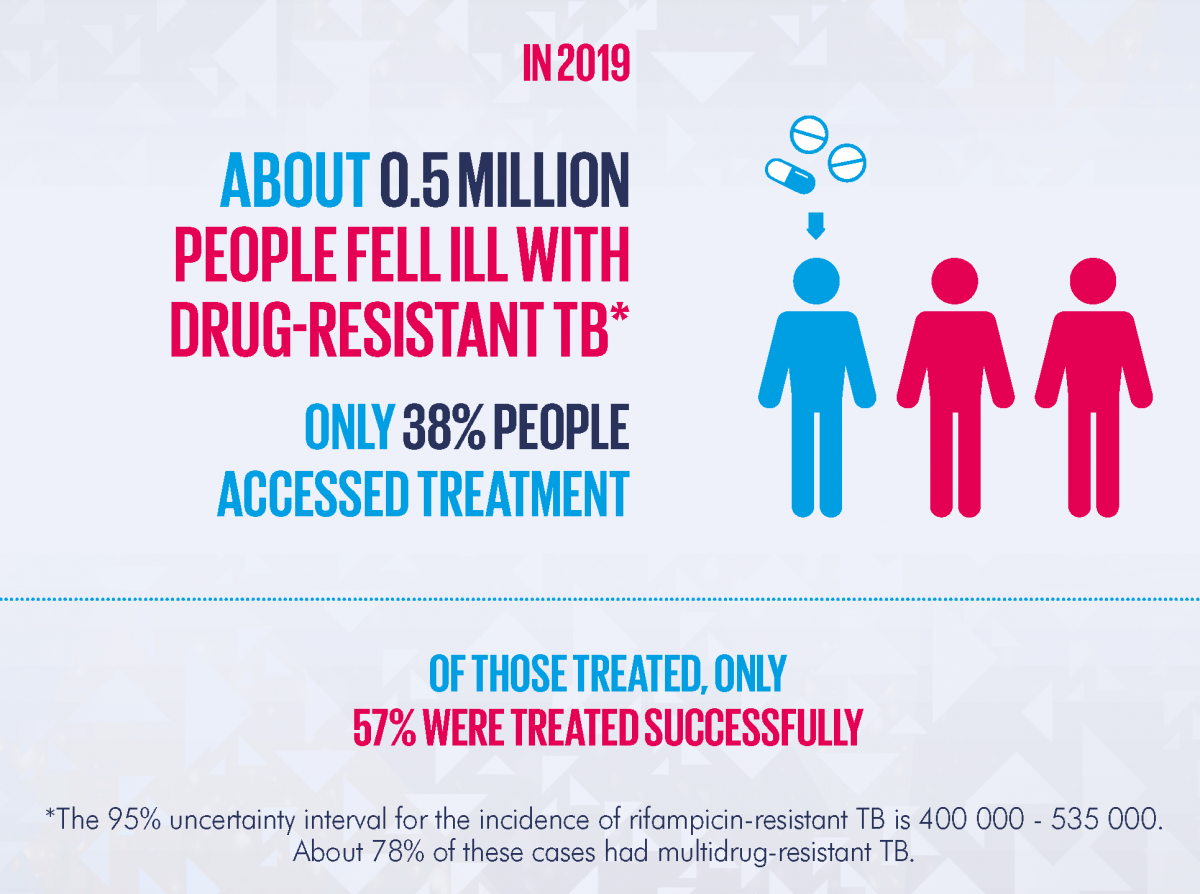 Figure 1: Global Burden of DR-TB in 2019; Source: Global TB Report, WHO, 2020. |
In 2019, globally there were an estimated 4.65 lakh (~0.5 Million) Multi-drug Resistant (MDR)/ Rifampicin Resistant (RR) TB cases. Against the estimates, only about a third (~38%) were notified and received treatment. |
TB is one of the top burdensome infectious diseases in India. It is estimated that, around 1/4th (26%) of the world's TB cases are in India, translating to about 30 Lakhs new TB cases emerging each year (TB incidence). Against this estimated incidence the National TB Elimination program reported around 19 lakh new and relapse cases in the year 2021.
Pathogenesis of TB is a product of interaction between bacterial activity and immune responses in the host.
Generally, in a person with good cellular immunity, the clearance of Mycobacterium tuberculosis (Mtb) is quite good and the chances of developing the active disease are less.
Ventilation is an important determinant of airborne infections. Poor ventilation at a patient's residence or at a healthcare facility, will result in more risk attached for any airborne infections.
Poor Ventilation and Inadequate Air Circulation as Risk Factors for Tuberculosis (TB)