Content Status where content has been uploaded and published on LMS.

Development of Drug Resistance in Mtb.

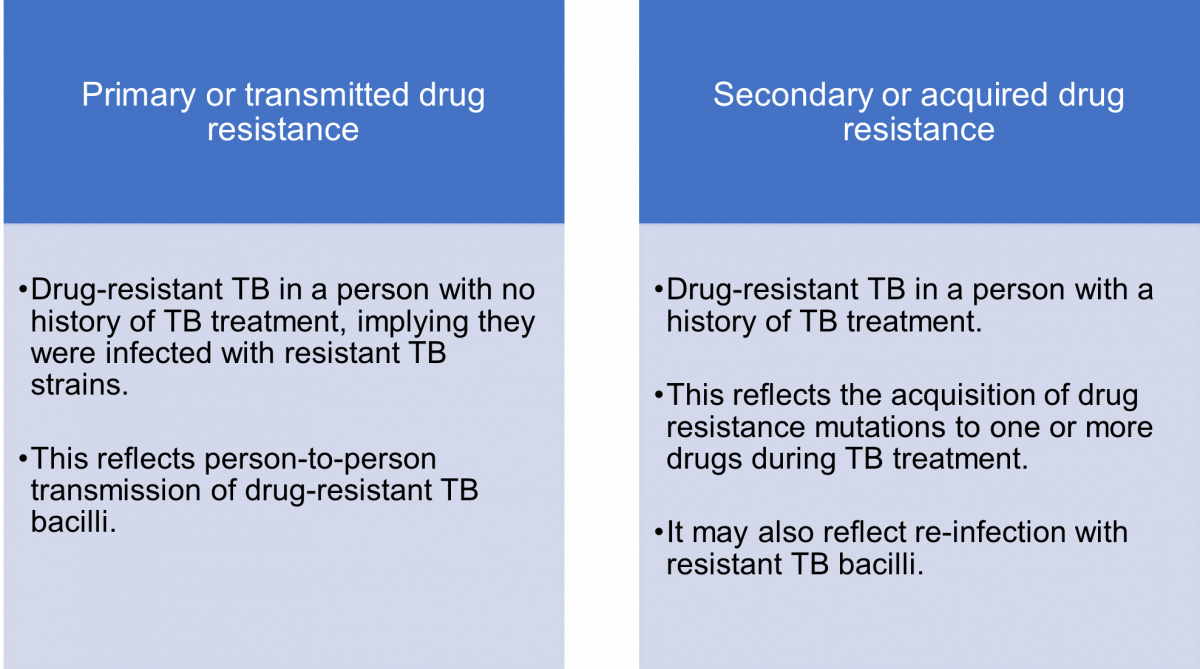
Drug resistance in Mycobacterium tuberculosis occurs when there is acquisition of mutations in genes that code for anti-TB drug targets or drug-activating enzymes.

Drug resistance in Tuberculosis (TB) occurs through two main mechanisms shown in the figure below.

Figure: Mechanisms or Types of Drug Resistance in TB


The mechanism of transmission of drug-resistant (DR) and drug-sensitive (DS) TB is the same i.e., via infectious aerosols.


Pathogenesis of TB

Tuberculosis (TB) is an infectious, chronic, granulomatous disease caused by Mycobacterium tuberculosis. It usually involves the lungs but may affect any organ or tissue in the body.

The pathogenesis of TB in a previously unexposed immunocompetent individual is centred on the development of cell-mediated immunity. This confers resistance to the organism and results in the development of tissue hypersensitivity to tubercular antigens.

Global Burden of DR-TB

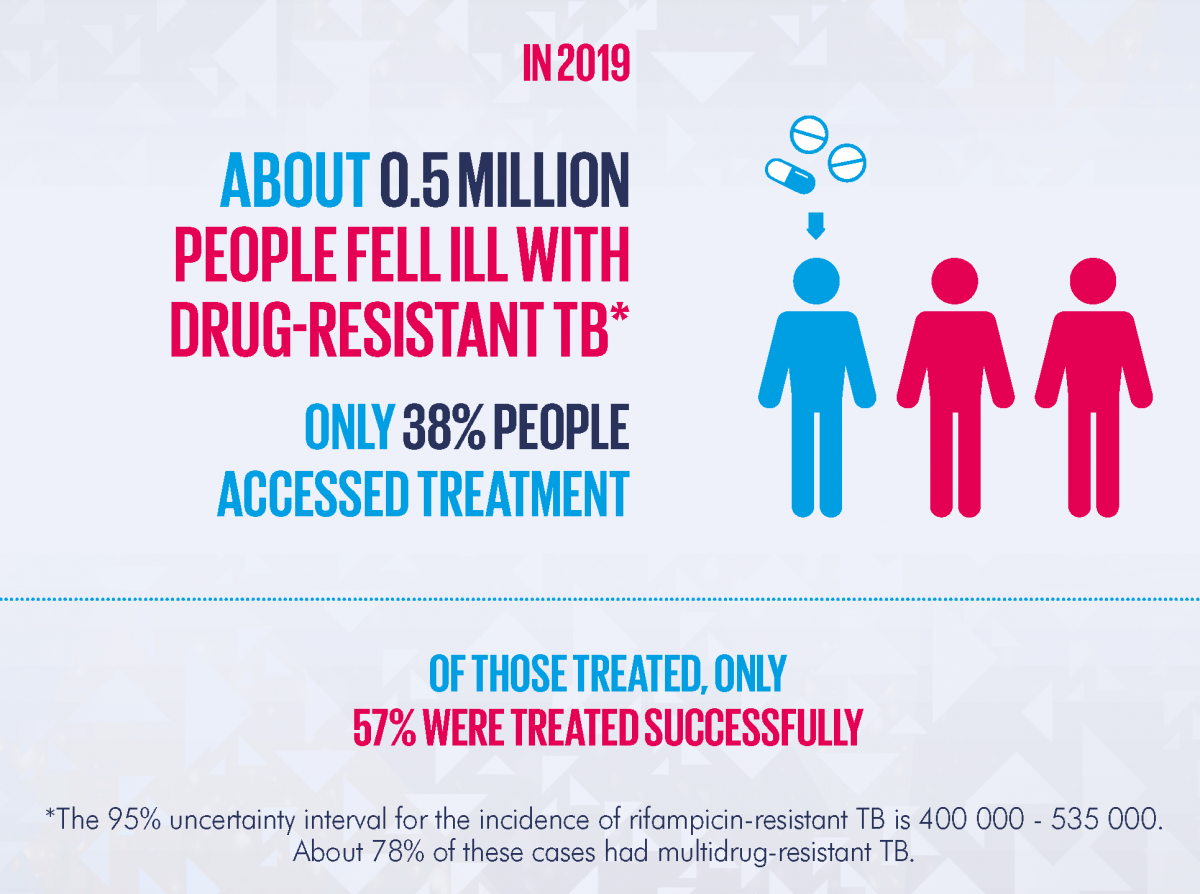
Figure 1: Global Burden of DR-TB in 2019; Source: Global TB Report, WHO, 2020​.

In 2019, globally there were an estimated 4.65 lakh (~0.5 Million) Multi-drug Resistant (MDR)/ Rifampicin Resistant (RR) TB cases. 

Against the estimates, only about a third (~38%) were notified and received treatment.

Global Burden of TB


  • Globally, an estimated 11 million people fell ill with TB (incidence) in 2021.
  • Historically, it has been the top infectious disease killer. In 2021, there were an estimated 1.4 million TB deaths and an additional 187 000 deaths among HIV-positive people.
  • Three countries accounted for 42% of global cases in 2021: India (26%), the Russian Federation (8.5%) and Pakistan (7.9%).


Poor host immunity

Pathogenesis of TB is a product of interaction between bacterial activity and immune responses in the host.

Generally, in a person with good cellular immunity, the clearance of Mycobacterium tuberculosis (Mtb) is quite good and the chances of developing the active disease are less.

Poor ventilation

Ventilation is an important determinant of airborne infections. Poor ventilation at a patient's residence or at a healthcare facility, will result in more risk attached for any airborne infections.


Poor Ventilation and Inadequate Air Circulation as Risk Factors for Tuberculosis (TB)

Overcrowding

Overcrowding is the situation where people located within a given space are more than what is considered tolerable from a safety and health perspective. Generally in living/ dwelling areas an measure of 50 square feet is the minimum requirement for space per person; less than this is considered overcrowding.

Calculating the floor space per person: The number of persons in the household divided by the total area of the house gives the floor space per person.

Mode of TB Transmission

Tuberculosis is transmitted mainly through the air via droplet nuclei generated when a TB patient coughs or sneezes. 

It is estimated that every sputum smear-positive patient spreads the infection to 10 – 15 persons annually, if untreated..

Figure: Transmission of TB bacteria through air via droplet


Resources:

Subscribe to Published on LMS