

Classification of TB Laboratories
ContentBased on 2012 WHO expert group recommendations, TB labs can be classified into three types based on their levels of procedural risk:
- Low TB risk
- Moderate TB risk
- High TB risk (TB Containment Laboratory)
- Recommendations based on minimum requirements needed to limit or reduce risks of infection in laboratories for carrying out specific procedures.
- Additional measures may be deemed necessary following a site-specific risk assessment.
Based on the operational and diagnostic methods adopted, the laboratories can be classified as:
- The Designated Microscopy Centers (for microscopy only)
- The Nucleic Acid Amplification Testing (NAAT) Laboratories or the Molecular Test Laboratories
- The Culture and Drug Sesitivity Testing (C&DST) Laboratories or the Phenotypic Laboratories
Resources
Kindly provide your valuable feedback on the page to the link provided HERE
Low-risk TB Laboratories
ContentDepending on the procedural risk in the TB lab, the lab is classified into low, moderate and high-risk categories.
Low-risk TB laboratories work on sputum specimens for:
- Direct Acid-fast Bacilli (AFB) smear microscopy
- Cartridge-based Nucleic Acid Amplification Test (CBNAAT)/ Truenat

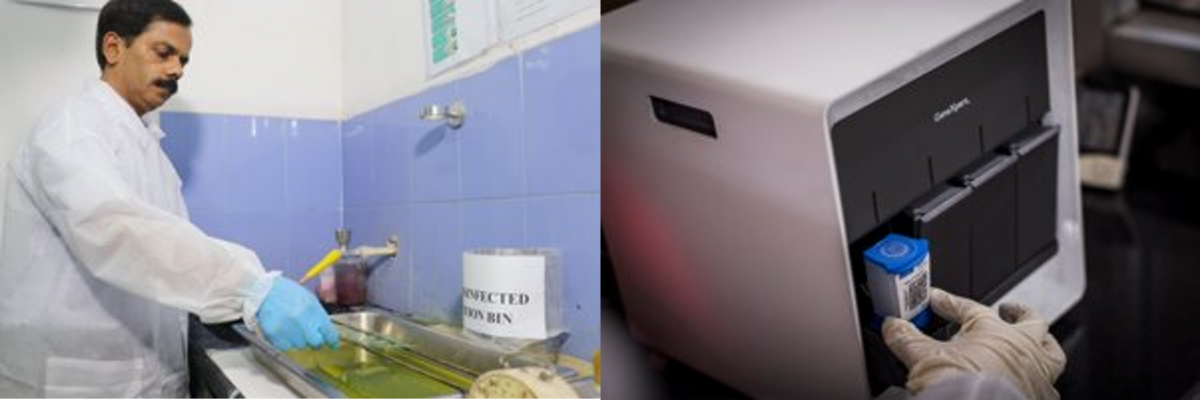
Figure 1: Procedures Conducted in a Low-Risk TB Lab
- Procedures that involve direct microscopy or killing of the mycobacteria before microscopy are taken up in these labs.
- These labs have a low risk of generating infectious aerosols from specimens and a low concentration of infectious particles.
Features and Essential Minimum Biosafety Measures of Low-risk TB Labs
1. Space requirements
- Bench spaces should be separated from areas used to receive specimens and administrative areas used for paperwork and telephones.
- Ensure adequate ventilation; it is important to maintain natural or mechanical, directional airflow with 6-12 air changes per hour (ACH). Workstations are optional solutions.
2. Procedural requirements
To minimize the generation of aerosols:
- Carefully open specimen containers.
- Air-dry smears and use a flame to fix them.
- Use disposable wooden sticks or transfer loops.
For the handling of leaking specimen containers: Discard and request a fresh sample.
3. Personal Protective Equipment (PPE) requirements
- Protective laboratory coats should be worn at all times in the laboratory.
- Gloves must be worn for all procedures that involve direct contact with potentially infectious materials.
- Gloves should not be reused.
- Staff should always wash their hands before leaving the laboratory.
- Respirators are optional.

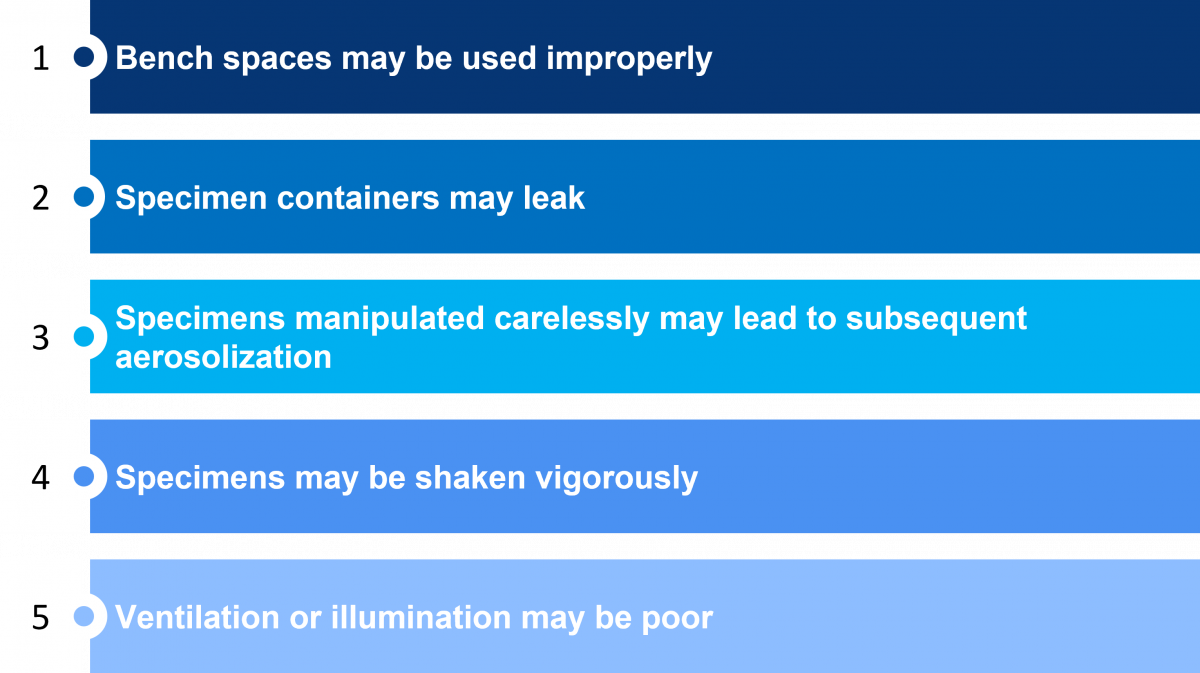
Figure 2: Challenges in a Low-risk TB Lab that Increase the Risk of Infection
Resources
Kindly provide your valuable feedback on the page to the link provided HERE
Moderate-risk TB Laboratories
ContentModerate-risk TB Laboratories can:
- Process specimens for inoculation on primary solid-culture media
- Perform direct line-probe assays and direct Drug Sensitivity Testing (DST)
Essential Minimum Biosafety Measures
- Biological Safety Cabinets (BSCs): Class I or II
- Ventilation: 6-12 ACH
- Personal Protective Equipment: Laboratory gowns and gloves
- Laboratory design: Restricted traffic area
- Decontamination and waste disposal
- Procedures optimized for minimizing the generation of aerosols
Challenges of Moderate-risk TB Laboratories
- Staff may work in areas with poor ventilation and/ or poor illumination.
- BSCs may be poorly maintained and not certified or not be properly ducted.
- Careless manipulation of specimens may lead to aerosolization.
- Specimen containers may break or leak during centrifuging.
- Adequate warnings of biohazards may be lacking, and information on who should be contacted during an emergency may be inadequate.
- Cooling or heating systems may not work properly.
Resources
Kindly provide your valuable feedback on the page to the link provided HERE
Fullscreen