

color coding and type of container
ContentThe National TB Elimination Programme (NTEP) utilizes different coloured bags for the segregation of waste generated in TB laboratory settings as shown in the table below.
Table: Waste Segregated and Collected According to Colour-coded Bags
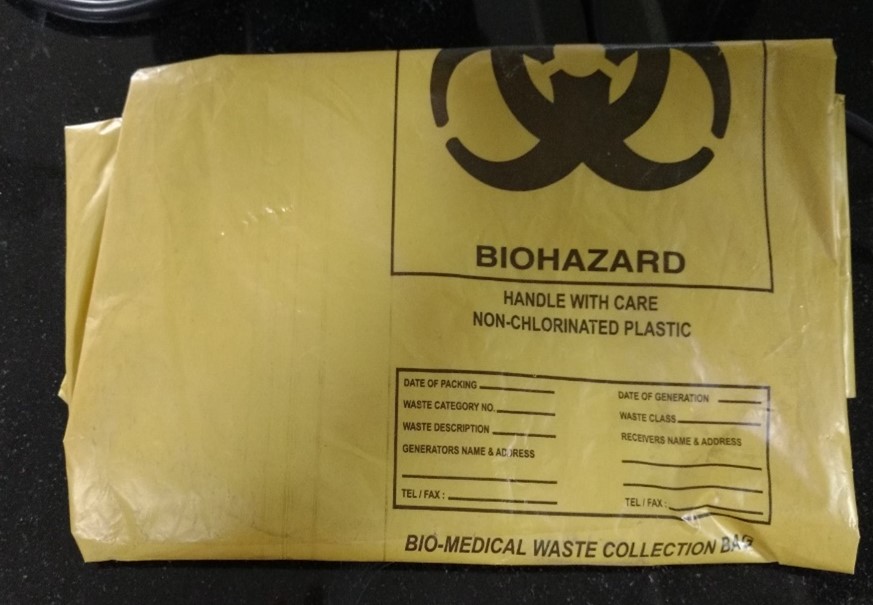
Yellow bag:
- Broomsticks
- Parafilm tape & plastic bag – contaminated with samples
- Löwenstein-Jensen (LJ) media without the bottle
- Microbial sample/ blood/ body fluids contaminated paper/ cotton/ swab
- Blood bags
- Microbiological cultures Truenat chips (MTB/ Rif)
- Used mask/ gowns
- Expired medicines/ drugs/ antibiotics
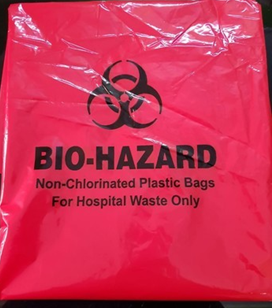
Red bag:
- Specimen collection tubes
- Sputum cups
- Cartridge Based Nucleic Acid Amplification Test (NAAT)/ Truenat cartridges
- Infected plastic
- Contaminated tips
- Pasteur pipettes
- Polymerase Chain Reaction (PCR) tubes
- Mycobacteria Growth Indicator Tube (MGIT) tubes
- Disposable LJ tubes
- Contaminated falcon tubes
- Used gloves
- Contaminated droppers
- Empty Cartridge-based Nucleic Acid Amplification Test (CBNAAT) reagent bottles
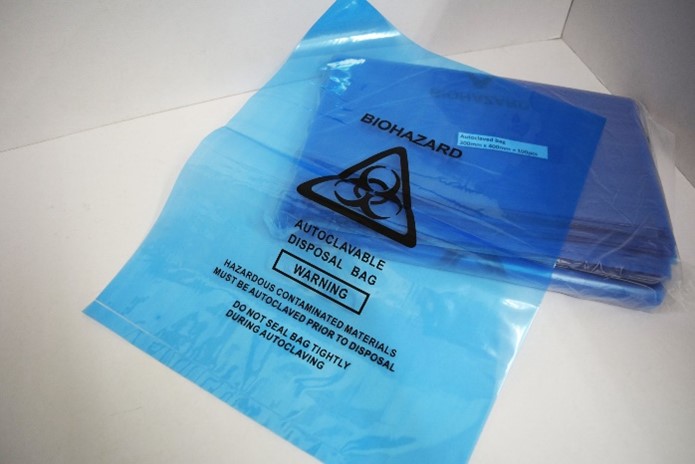
Blue bag:
Glass slide in Truenat machine and used microscopy slides. Slides should not be broken.
All these bags are to be labelled with the Biohazard logo (figure below) on them.
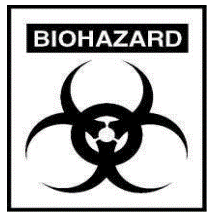
Figure: Biohazard Logo
- Waste generated in the Culture Drug Susceptibility Testing (CDST) laboratories is autoclaved prior to segregation in colour-coded bags.
- The biohazard materials are collected and handed over to handlers authorized by the pollution control board.
- Personnel handling/segregating biomedical wastes must use appropriate Personal Protective Equipment (PPE) and should be trained in spill management.
Resources
- Guidelines for Programmatic Management of Drug-resistant Tuberculosis in India, 2021.
- Guidelines for Management of Healthcare Waste as per Biomedical Waste Management Rules, 2016.
Kindly provide your valuable feedback on the page to the link provided HERE
Preparation of TB Lab Disinfectants
ContentDisinfectants used in lab settings include:
1% Sodium Hypochlorite
- Broad spectrum antimicrobial action
- Used to disinfect surfaces
- Used to disinfect infectious material and disposal of used Truenat consumables (reagent bottles, cartridges, tips, chips)
- Hazardous and corrosive, to be used with care
- Is highly alkaline so can corrode metal
- Waste soaked in Sodium Hypochlorite should not be discarded by autoclaving.
70% Alcohol
- Bactericidal action
- Used for surface decontamination only
- Highly inflammable; keep away from fire
- Used to disinfect biosafety cabinets, laboratory benches and surface of instruments.
5% Phenol
- Used for decontaminating Cartridge-based Nucleic Acid Amplification Testing (CBNAAT) equipment and single-use items like CBNAAT cartridges prior to disposal
- Highly irritating to the skin, eyes and mucous membranes.
Preparation of these disinfectants is described below.
Preparation of 1% Sodium Hypochlorite
- Use commercially available 4% sodium hypochlorite solution.
- Dilute with distilled water to prepare required amount of 1% sodium hypochlorite
- E.g.: To prepare 100 ml of 1% sodium hypochlorite: 75 ml distilled water plus 25 ml 4% sodium hypochlorite solution.
- Sodium hypochlorite solutions (domestic bleach) contain 50 g/l available chlorine, and should therefore be diluted to 1:50 or 1:10 in water to obtain the final concentrations of 1 g/l or 5 g/l when used as a general-purpose disinfectant for TB laboratories.
- To be prepared fresh.
Preparation of 70% Alcohol
- Use commercially available absolute alcohol.
- Dilute with distilled water to prepare the required amount of 70% alcohol
- E.g.: To prepare 100 ml of 70% alcohol: 70 ml absolute alcohol plus 30 ml distilled water.
Preparation of 5% Phenol
- Melt 5 g of phenol by heating it.
- Dissolve in 100 ml distilled water.
Video fileVideo : Preparation of TB Lab Disinfectants
Resources
Disposing Off Contaminated Material Safely in DMC Laboratory Settings
ContentThe Laboratory Technician (LT) must safely discard contaminated, biohazard waste generated by tuberculosis (TB) laboratories. This waste must be discarded along with the overall waste of the health facility in which TB services are provided.
There are 2 types of waste generated from DMC laboratory settings:
- Sputum containers with specimen and wooden sticks
- Stained slides
Disposal of Sputum Cups with Left-over Specimen, Lids and Wooden Sticks
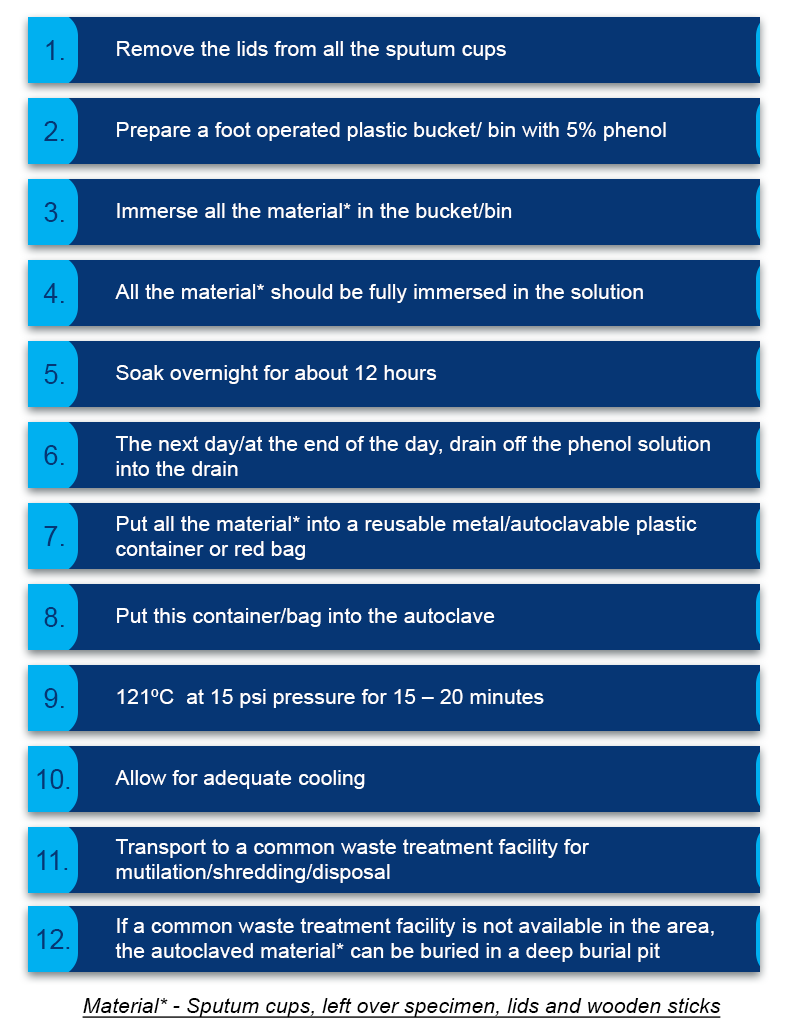
Figure 1: Steps for disposal of sputum cups with specimen, lids and wooden sticks
Important Points to Remember
- If autoclaving is not possible, boil in a pressure cooker of 7 litre capacity with water and submerge the contents for at least 20 minutes
- LTs and support staff handling biological waste need to wear gloves
- The red bag used for autoclaving must:
- Have a biohazard symbol
- Have adequate strength to withstand the load of the waste material
- Be made of non-PVC plastic material
Disposal of Stained Slides
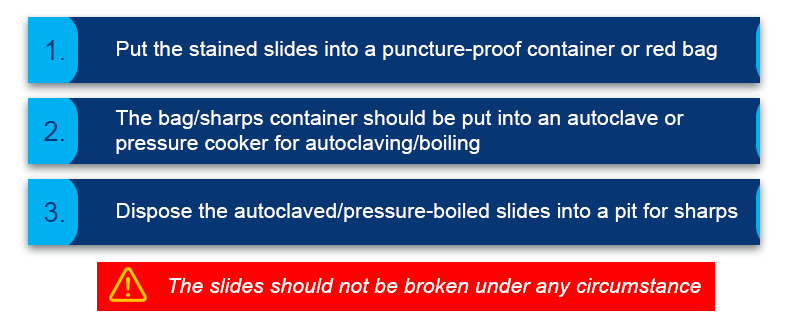
Figure 2: Steps for disposal of stained slides
Resources
Kindly provide your valuable feedback on the page to the link provided HERE
Fullscreen