
Base Technical Content in text and simple images.

Specimen Preparation for LC and LPA Labs

Liquid Culture (LC) and Line Probe Assay (LPA) specimen processing involves pre-treatment of the sputum specimens.


Digestion and decontamination are usually done using N-acetyl-l-cysteine–sodium hydroxide (NALC- NaOH) method: 

  • The process is essential to free TB bacilli from the mucus cells/ tissue.
  • This also helps in decontamination by killing normal flora that grows more rapidly than the TB bacilli. 


NALC-NaOH Method for Sample Processing
 

LPA Biosafety Essentials: Waste Disposal

Biomedical Waste Management is an essential biosafety component of TB containment laboratories. All infectious materials should be decontaminated, incinerated, buried or autoclaved.


The following materials are suitable for waste disposal by autoclaving:

  • All positive TB cultures 
  • Mycobacterial cultures 
  • All infectious materials from TB-containment laboratories where mycobacterial culture is performed


Culture Conversion

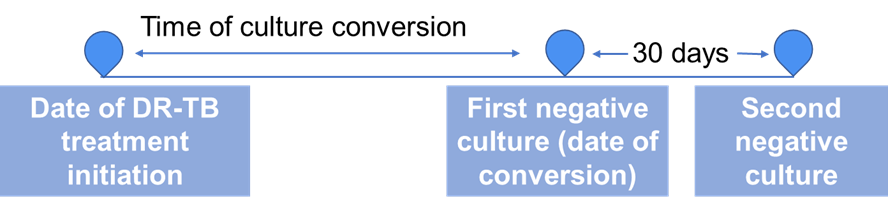
Sputum culture conversion - The transition in sputum culture results from a positive sample growing Mycobacterium tuberculosis to two consecutive negative cultures separated by at least 30 days.


Time to culture conversion is the interval between treatment initiation to date of specimen collection of the first (of the two) negative culture.


Preparation of TB Lab Disinfectants

Disinfectants used in lab settings include:


1% Sodium Hypochlorite

  • Broad spectrum antimicrobial action
  • Used to disinfect surfaces
  • Used to disinfect infectious material and disposal of used Truenat consumables (reagent bottles, cartridges, tips, chips) 
  • Hazardous and corrosive, to be used with care
  • Is highly alkaline so can corrode metal
  • Waste soaked in Sodium Hypochlorite should not be discarded by autoclaving. 


70% Alcohol

NAAT Instrument Monthly Data Archive and Data Back-up

Security of laboratory data and confidentiality of TB patient data are important. Hence, it is recommended to archive or take periodic data backup.


The Truelab Analyzer has an internal memory to store 20000 test results. The digital data can be transmitted through connectivity via email, SIM card, Wi-Fi or Bluetooth.


Recommended ways of documenting the results and archiving data are:

Interfering Substances causing errors in NAAT Assay

It is common in laboratories to see specimens with the following particles which may potentially alter nucleic acid amplification test (NAAT) results:

  • Food particles
  • Blood
  • Tobacco
  • Pan
  • Debris or tissue pieces

These interfering substances cause failures in Truenat assays and may have inhibitory effects on CBNAAT assays. This interferes with the accuracy of results, leading to false positive or negative tests and delayed cycle threshold values.

Subscribe to A0