
Base Technical Content in text and simple images.

Standards of TB Care In India related to detection

Standards of Tuberculosis (TB) Care in India - Pillar 1

A total of six standards related to tuberculosis detection have been mentioned in the standard of TB Care in India guidelines. Each of these standards is described below:

Standard 1: Testing and Screening for Pulmonary TB

  • Any person (adult and child) presenting with signs and symptoms suggestive of pulmonary TB should be evaluated for TB.
Palliative Care in TB patients

Palliative care is specialised medical care for people living with a serious illness.

  • This type of care is focused on providing relief from the symptoms and stress of the illness.
  • The goal is to improve the quality of life for both the patient and the family.
  • Palliative care is based on the needs of the patient, not on the patient’s prognosis.


Need for Palliative Care for TB Patients

Patients' charter for TB care

The Patients’ Charter for Tuberculosis Care (the Charter) outlines the rights and responsibilities of people with TB. It empowers people affected by TB and their communities through this knowledge. Initiated and developed by persons affected by TB from around the world, the Charter makes the relationship with healthcare providers a mutually beneficial one.

Use of Shorter Oral Bedaquiline-containing MDR/RR-TB Regimen in Patients with Renal Impairment

Renal insufficiency due to longstanding TB disease itself, previous use of aminoglycosides or concurrent renal disease is not uncommon and great care should be taken in the administration of second-line drugs in such patients. ​


Drugs that might require a dose or interval adjustment when there is mild to moderate renal impairment are Ethambutol (E) and Levofloxacin (Lfx).​ In cases with severe renal impairment, Lfx can be replaced with a normal dose of Moxifloxacin (Mfx) (200/400 mg/kg).​ 


Management of M/XDR-TB Treatment During Pregnancy​

In pregnant women diagnosed with multi-drug resistant (MDR)/rifampicin-resistant TB (RR-TB), if the duration of pregnancy is <20 weeks*, the patient should be advised to opt for medical termination of pregnancy (MTP) in view of the potential severe risk to both the mother and the fetus. Figure 1 shows the management algorithm for pregnant patients based on their gestational age.


Explanation of Treatment of Non-tuberculous Mycobacteria [NTM]

Treatment of Non-Tubercular Mycobacterium (NTM) lung disease varies from person to person.  

Not everyone who is diagnosed with NTM lung disease needs to begin treatment right away. Some localized infections are very slow-growing and may or may not progress. Empirical therapy for suspected NTM lung disease is not recommended.  


The decision to start Non-tubercular Mycobacteria (NTM) treatment is based on: 

Molecular Basis of Genetic Code and Mutation

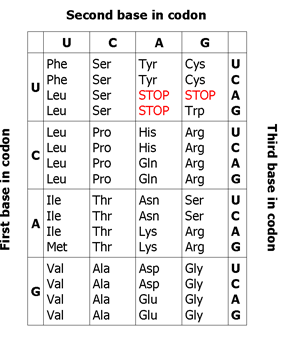
The genetic code is a triplet nucleotide sequence (codon) which encodes a specific amino acid during translation.


Figure 1: Genetic code


The three-letter codons consisting of four nucleotides found in mRNA (A, U, G, C) which produce a total of 64 different combinations. Of these 64 codons, 61 code for amino acids, the remaining three represent stop signals which trigger the end of protein synthesis (see Figure 1).


Central Dogma in the Function of DNA: Transcription and Translation

Transcription and translation together are responsible for Gene Expression.


Transcription 

  • The transcription process involves the formation of m-Ribo-Nucleic Acid (RNA) from DNA (Deoxyribose Nucleic Acid).
  • One strand of DNA acts as a template, RNA polymerase associates with the DNA strand on the promoter region and transcription begins.


Subscribe to A0