Prevalence of TB Disease

Prevalence is an epidemiological measure of the proportion of a population with a disease or a particular health condition at a specific point in time (point prevalence) or over a specified period of time (period prevalence).

Tuberculosis (TB) prevalence refers to the number of people with TB that are present in a particular population at a given time. Calculation of the TB prevalence rate is shown in the figure below.

Incidence of TB Disease

Incidence is an epidemiological measure of the occurrence of new cases of a disease in a population over a specified period of time. Tuberculosis (TB) incidence is the number of new cases of active TB disease during a certain time period (usually a year), and is better expressed as a rate, as shown in the figure below.

Airborne Infection Control [AIC]

Mycobacterium tuberculosis is transmitted in airborne particles called droplet nuclei that are expelled when a person with pulmonary TB coughs, sneezes, shouts, or sings. People nearby may breathe in these bacteria and become infected. 

Airborne infection control is essential to prevent the spread of TB within a health facility and other settings.


Hierarchy of Controls to Reduce Risk of Transmission of TB (see the Figure)

Sputum Collection centres

To increase access to diagnostic services, NTEP has a provision for sputum collection centres in areas where the health facility is not equipped with key requirements to conduct sputum microscopy, molecular tests, drug susceptibility testing or follow up examinations.

Sputum collection centres are dedicated locations where sputum samples are collected, packaged and then transported to nearby TB diagnostic centres. It could be attached to any near-by health-facility as well.

Requirements of a Sputum Collection Centre

Passive Case Finding

Passive case finding is essentially where the patient self reports to the health care provider with symptoms. This requires that affected individuals are aware of their symptoms, have access to health facilities, and are evaluated by health workers or volunteers who recognise the symptoms of TB and link those individuals for TB testing services.

Approaches to TB Case Finding

People who have been exposed to patients with infectious TB are known as TB contacts; they constitute a high-risk group for TB. Case finding investigation contributes to the early detection of TB cases, and results in identifying a significant number of additional patients.

Figure: Approaches to Tuberculosis Case Finding


India's commitment to End TB

The Government of India has committed to achieving the Sustainable Development Goals(SDG) targets related to ending TB by 2025 (5 years ahead of the global target).  This would mean that in 2025, the 2030 target of achieving 80% reduction in incidence, 90% reduction in deaths due to TB compared to that of 2015, is to be achieved.

Tuberculosis

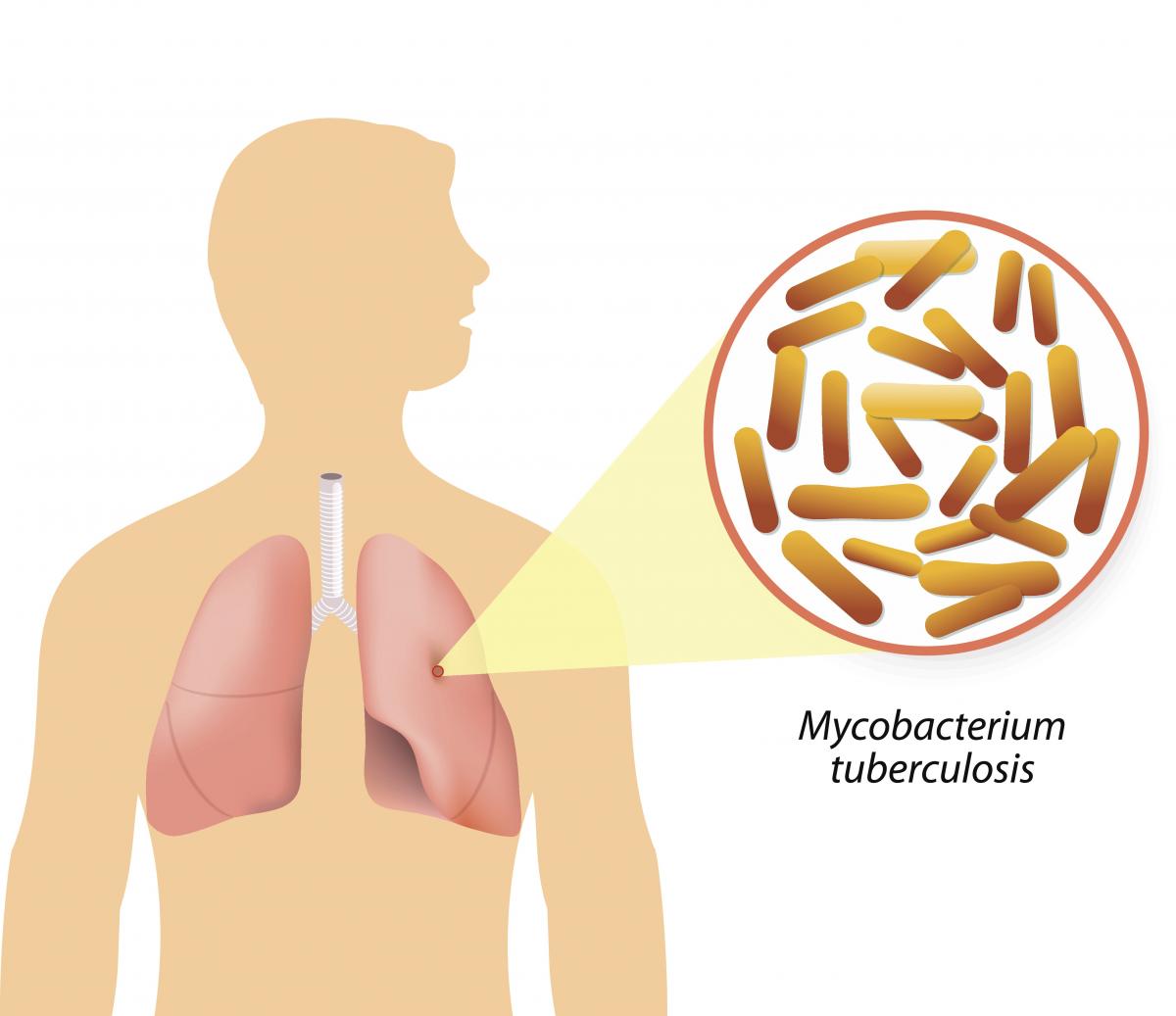
Figure: Causative agent for Tuberculosis is Bacillus: Mycobacterium tuberculosis (M.tb)


  • Tuberculosis (TB) is a communicable disease that is a major cause of ill health.

  • TB is caused by the bacillus Mycobacterium tuberculosis (M.tb)

Subscribe to DR-TB Coordinator