

Good Laboratory Practices
ContentGood laboratory practices help to maintain biosafety in TB lab settings. However, it is good to keep in mind that:
- NOTHING can totally eliminate the safety risk associated with the TB laboratory.
- Good laboratory practices with an emphasis on biosafety, significantly reduce the risk of laboratory-acquired infection.
- Specialized equipment aids good laboratory practice but does NOT replace it.
Good Laboratory Practices
- Biohazard signs (Figure 1) should be posted at the entrance to laboratories performing work on infectious agents and hazardous chemicals.
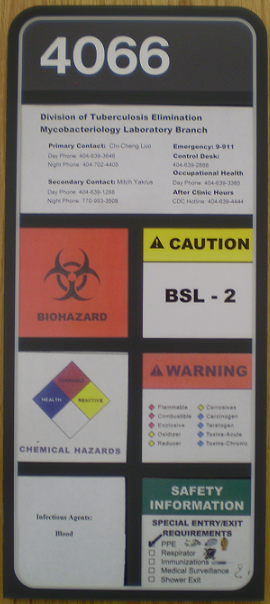
Figure 1: Biohazard Sign
- Laboratory access should be limited to essential staff.
- No eating, drinking, or smoking (Figure 2).
- No mouth pipetting (Figure 2).
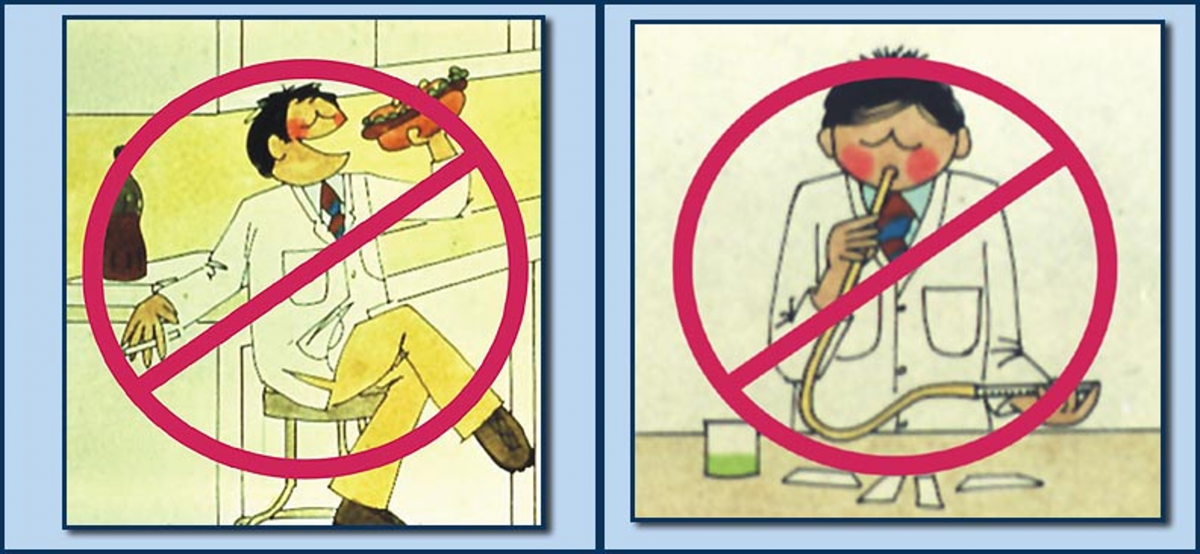
Figure 2: No eating or mouth pipetting in lab
- No placing pencils or pens in the mouth.
- Keep hands away from eyes and face.
- Always wash hands before leaving the lab.
- Remove gloves before handling phones, instruments or computers.
- Minimize the use of mobile phones.
- Lab coats must be decontaminated and laundered regularly (never take them home for laundering!)
Resources
Kindly provide your valuable feedback on the page to the link provided HERE
Safety Precautions to be Followed in TB Laboratory Setting
ContentAs Tuberculosis (TB) infection spread in the form of droplet infection, healthcare workers in the TB laboratory setting need to follow standard safety precautions to prevent themselves from getting the TB infection.
Some of the safety precautions in the TB laboratory setting are as follows:
- Always allow proper ventilation by keeping all the windows open (Try to avoid sliding window doors, as most of the sliding doors open only half).
- Always wear proper Personal Protective Equipment (PPE) - Laboratory coat and gloves.
- Always have separate areas for administration, sample reception, smear preparation, staining and microscopic examination.
- Open the specimen bottle only when preparing slides.
- Avoid shaking or stirring of samples.
- Always spread the sample onto the slide gently in a regular motion.
- Always prepare slides in close proximity to a flame or in the biosafety cabinet to nullify the aerosols generated, if any.
- Always air-dry smears for 30 min before heat fixing.
- Always use wooden stick/ sterile loops for making smears.
- Always manage the laboratory waste correctly.
In case of other TB diagnostic settings like molecular labs, culture labs etc., follow the Standard Operating Procedure (SOP) properly (It is always advisable to display the SOP in all the TB diagnostic laboratories). The detailed SOPs of the procedures followed in the TB diagnostic facility should be displayed or placed wherever required, especially the BioMedical Waste guidelines, and all the SOPs should be updated regularly.
Resources
Kindly provide your valuable feedback on the page to the link provided HERE
Fullscreen